

The Midlands Market will become the heartbeat of an act of compassion and solidarity on 28 September, as farmers from the Midlands come together to support vulnerable farming families across Africa.
“Central Regions Fundraising for Africa Self-Help” is a farmer-to-farmer charitable appeal aiming to raise tens of thousands of euros for livestock and rural development programs that support struggling communities across Africa.
At the heart of the initiative is a simple but powerful request: “Will you sell one animal so another family can survive?”
Organizers said farmers across the Midlands and in rural Ireland understand the difficulties in a way that few others can.
“They understand the sadness of failed crops, heavy rains, drought, rising costs, uncertainty, and sleepless nights wondering how to survive another season.
“They know what it means to lean on the land, hope for better days, and keep going when life seems too difficult.
“This understanding of struggle and resilience is now inspiring local farmers to stand in solidarity with Africa’s small farming families facing unimaginable hardships due to hunger, drought, floods, conflict, displacement and growing food insecurity,” organizers said.
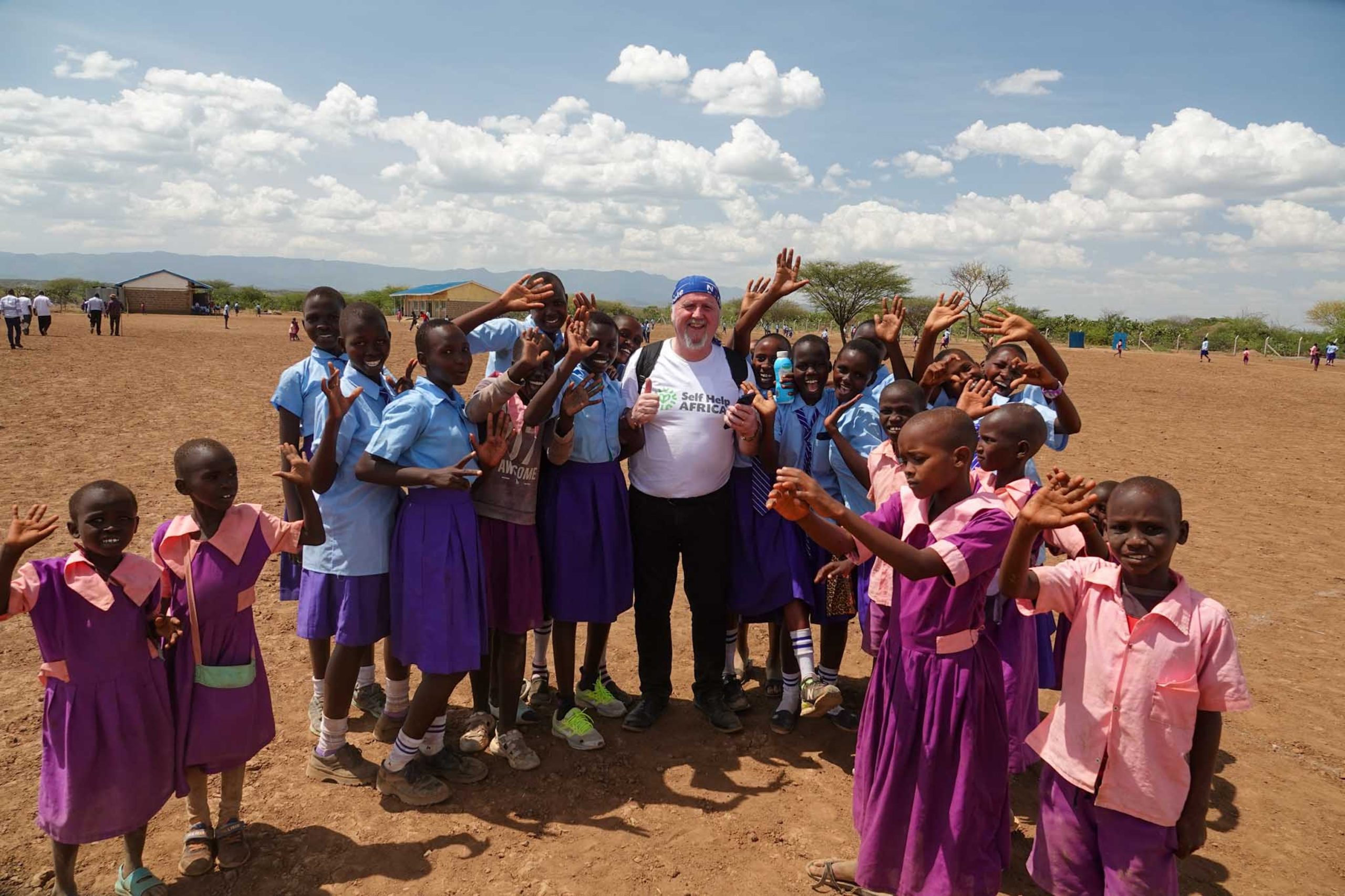
Ronan Scally from Self Help Africa delivers supplies to various schools in Baringo County, Kenya
Pat Mahon, an Offaly cattle farmer from Bluepool near Tullamore, is the founder and driving force behind the campaign.
He is appealing to farmers across the midlands and beyond to donate a male or female calf or any suitable young animal over three months old for the auction at Tullamore Mart.
Organizers say the support shown by Tullamore Mart and the wider farming community has been “extraordinary, compassionate and extremely humbling”.
For Mahon, this calling is personal and from the heart. After spending 40 years working in the midlands with legacy companies P&T, Telecom Éireann, Éircom and later Éir, and a further eight years helping local communities through the Rural Social Scheme, Tidy Towns groups and voluntary organisations, Mahon returned to farming after his retirement.
Now he is once again traveling the farms, roads and communities he spent his life serving, but this time with a different message.
“I’ve dealt with farmers my whole life and I know the goodness in them,” Mahon said.
“Irish farmers understand struggle and survival. They understand the value and importance of livestock, and they understand what it means when a family’s livelihood depends on a few animals and a small piece of land.
“When people see how one animal donated here can help change the life of a struggling farming family in Africa, I think they will help.
“Farmers believe in helping, not giving, and that is exactly what Self Help Africa does.”
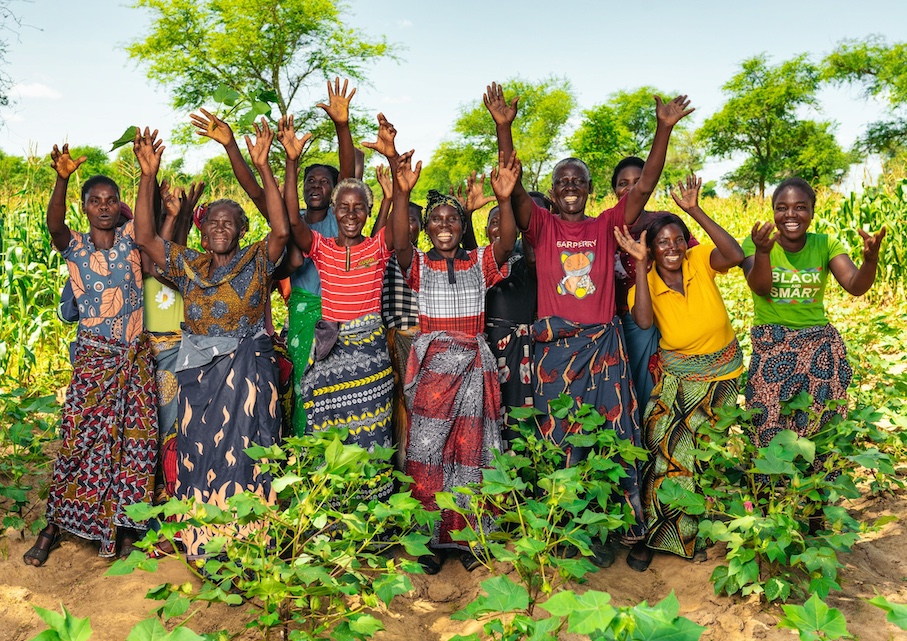
Zambian Farmers in Africa Self-Help Project
Pate said some farmers have already committed to donating calves and cattle to the fundraiser, but he hopes there will be more in the coming months; Markets. agricultural business; organizations; companies; schools; Sports clubs and rural organizations will rally behind this appeal.
“The response so far has been incredibly encouraging,” he said.
“There is great kindness in rural Ireland. Farmers know what it means when neighbors help neighbors in difficult times.
“This fundraiser is about one farming community connecting with another.”
The campaign was inspired by the humanitarian work and writings of Ronan Scully, who has spent nearly four decades working with vulnerable communities in Africa.
Self-help for Africa
Through his work supporting Self Help Africa, Scully has walked through drought-stricken communities in Ethiopia, flood-ravaged villages in Malawi, refugee settlements in Zambia, Angola and Uganda, and camps for displaced families in northern Ethiopia.
According to Scully, the fundraiser has the potential to truly change lives.
“I walked on roads where the ground split open from drought,” he said.
“I have stood with families who have lost their crops, animals and homes. I have held the hands of children weakened by hunger. But I have also seen extraordinary resilience and courage.
“In many African societies, livestock are life. A cow, goat, sheep or chicken can mean milk for children; income for school fees; nutrition for families; security during crises and hope for the future.”
He explained how proceeds raised from the fundraiser will support livestock programmes, AI services, community veterinary care, livestock training, and initiatives that help improve the breeding and breeds of cattle, sheep, goats and poultry across vulnerable communities in Africa.
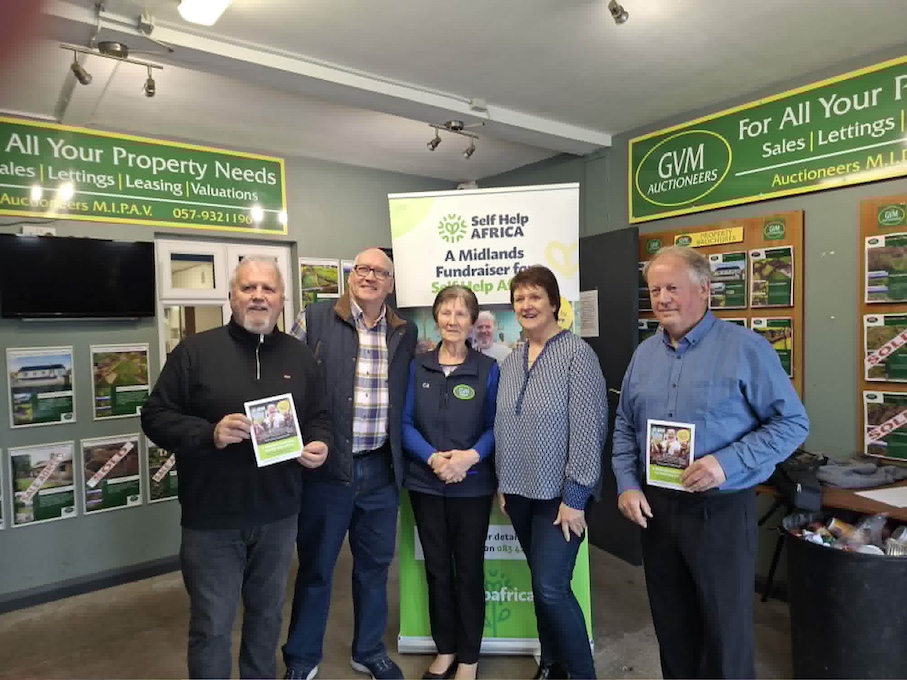
Ronan Scully Self-Help in Africa; James Kane, IFA; Charlotte Walsh Tullamore Mart; Pauline Fitzgerald, Tullamore Mart; and Pat Mahon, organizer of the Midlands Farmers for Africa 2026 event.
“It is not charity that creates dependency,” Ronan said. “It is solidarity that creates opportunity, dignity and hope.”
The appeal also highlights the enormous impact that Irish generosity continues to have through the work of Self Help Africa, supported by the compassion of the Irish people and Irish Aid through the Irish Government.
Farming families
Self Help Africa works alongside farming families and rural communities providing seeds; tools; Water projects; climate-smart agriculture and livestock support; women-led enterprise programmes; Education initiatives and small business opportunities that enable people to feed their families and build a sustainable future with dignity and independence.
According to the charity, at the heart of this work are women farmers, mothers, grandmothers, daughters and sisters, “whose resilience often keeps entire families and communities alive during times of crisis.”
This year, which marks the International Year of Women Farmers, organizers said the fundraiser is also a tribute to the “courage, sacrifice and determination of women in agriculture everywhere”.
Pat Mahon believes Irish farming communities can make a profound difference.
“We cannot solve every problem in the world but we can choose not to ignore suffering,” he said.
“We can choose to empathize. One animal from a farm in Ireland may seem small to us, but somewhere in Africa it can be the reason a child gets eaten, a family survives, or a mother gets hope again.”


