
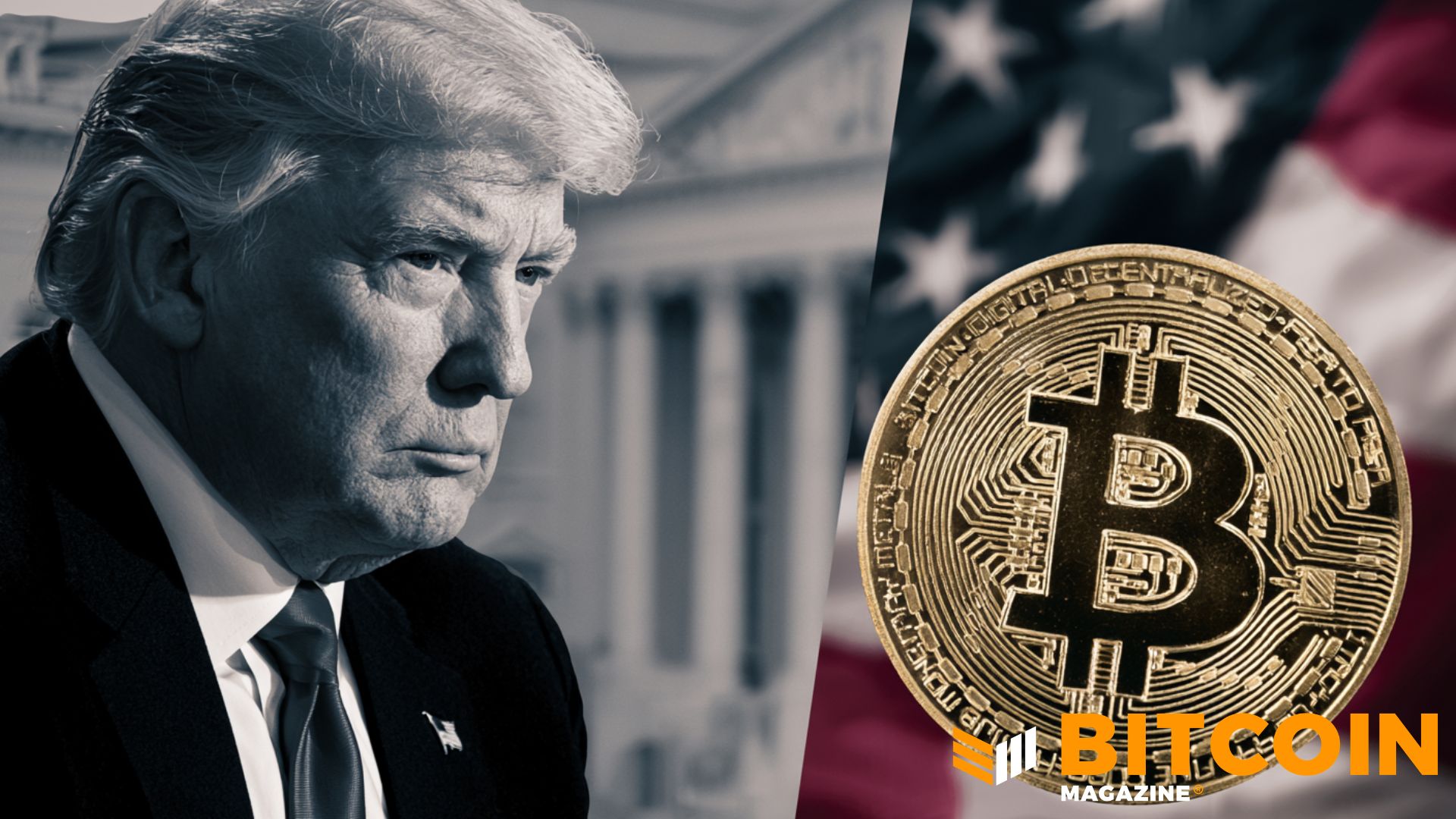
President Donald Trump on Tuesday signed an executive order directing the Federal Reserve and other financial regulators to remove barriers that have long kept cryptocurrency and fintech companies out of the U.S. payment system — a move that puts the central bank at the center of a battle that has been brewing for years.
The matter, Titled The “Integrating FinTech Innovation into Regulatory Frameworks” report calls on the heads of federal financial agencies to review existing rules within three months and identify regulations that “unjustifiably hinder” fintech companies from partnering with federally regulated institutions.
Within six months, regulators must act on what they find.
Fed, Cryptocurrency and Government Control
In essence, the order targets the Federal Reserve Controlling key accounts – Payment gateway such as Fedwire that handles the settlement of high value dollars through the financial system. Historically, these accounts have been reserved for licensed depository institutions, a wall that has forced cryptocurrency companies seeking direct payment access to pursue costly state or federal banking charters.
The order asks the Fed to do two things: assess whether its framework can be expanded to include non-bank fintech and cryptocurrency companies, and clarify whether the 12 regional Federal Reserve Banks have independent authority to approve or deny master account requests without guidance from the Board of Governors in Washington.
This second question carries real weight. If regional banks can act on their own, cryptocurrency companies would likely shop for a sympathetic Fed branch — a scenario that already played out in March, when the Federal Reserve Bank of Kansas City consent A limited-purpose account for Payward, the parent company of Kraken, making it the first cryptocurrency exchange to win any form of federal payment access.
Kraken Co-CEO Arjun Sethi Named The arrangement is “Convergence of Cryptocurrency Infrastructure and Sovereign Financial Rails.”
But the approval came before the Fed finalized a broader policy framework — and the sequence angered traditional banking groups. The Bank Policy Institute, which represents major US banks, said it was deeply concerned about the timing.
This tension is at the heart of the debate that Trump’s order has now brought into the open. Rebecca Romero Rainey, President and CEO of Independent Community Bankers of America, He said The order reveals “significant gaps in regulation” between banks and non-bank entities, and argues that the Fed should pause new policies on stablecoins, master accounts, and trust covenants to assess their combined impact. “Similar activities should be subject to similar regulation,” she said.
The Fed has been moving, albeit slowly, toward its own answer. In December, it published a proposal for what is called “Skinny” key accounts. – Restricted central bank accounts that provide access to the payment system while excluding features such as interest on reserves or a reduced borrowing window. The framework has drawn conflicting responses from both the cryptocurrency industry and community banks, with each pushing the rules in opposite directions.
The executive order gives the Fed 120 days to submit a formal report to the White House. This deadline turns what was a slow-moving regulatory process into a political one — with the Trump administration now putting a temporary hold on an institution that values its independence.


