
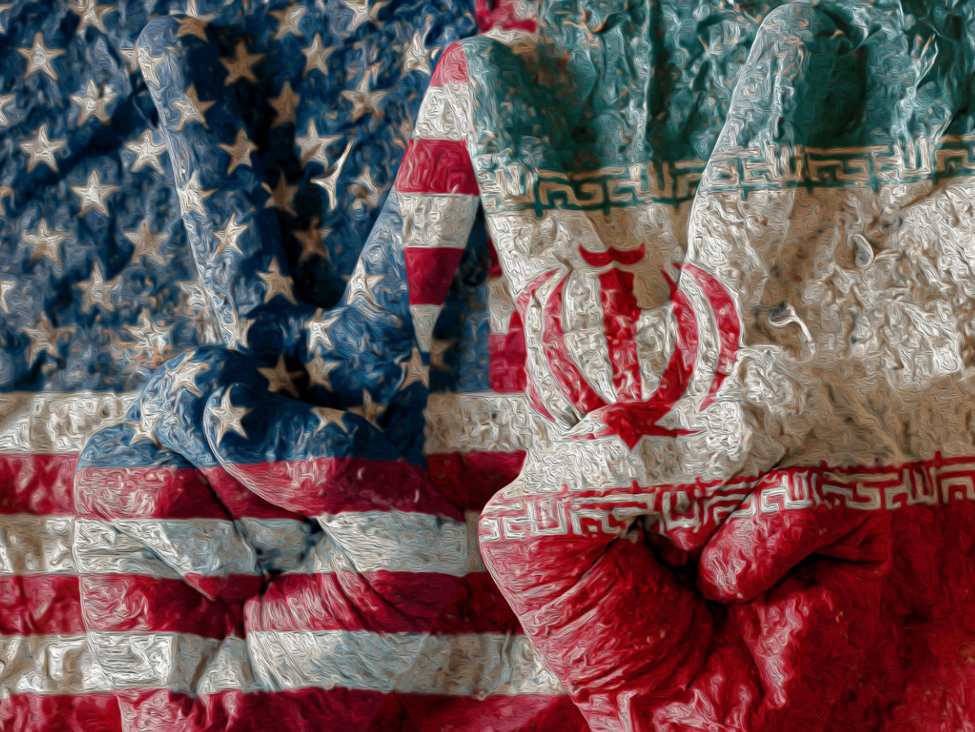
At this point, it appears that the United States and Iran just want to end the conflict. After three and a half months, it appears that both sides have had enough. This is good news for markets, at least to some extent.
Combined with what was arguably a very successful debut for SpaceX on Friday, the market mood to start the new week looks good.
There was a lot of stress and anxiety about how SpaceX stock performed at the end of last week. The stock was noted early to open at $175 before officially starting trading at $150. But then shares rose to a high of $176 before closing at $161, a price still much stronger than its IPO price of $135.
As for the agreement between the United States and Iran, the headlines are encouraging, but only if it lives up to expectations in the coming weeks/months.
Iran will see the lifting of oil sanctions and the unfreezing of assets worth $12 billion before the start of the next round of negotiations. Yes, there will still be talks on nuclear arrangements after that for the next 60 days.
This will be in exchange for a ceasefire throughout the region, including Lebanon, and also in exchange for the United States lifting its naval blockade. All of this is only for the Strait of Hormuz to be “re-opened” within the next 30 days, and Iran is then to operate it.
Trump said he would make sure the waterway was made “permanently free.” However, let us mention here that the strait was always free before this conflict began. Really, what is the point of this war again?
However, the fact that both sides want to get off the Ferris wheel and out of the circus is still a good thing. Even if the Strait of Hormuz sees an orderly reopening, it will still be better than it is now.
But the only question is, can this MoU agreement continue for the next 60 days and stay that way or progress further?
The reopening of the Strait of Hormuz will be the most important detail to watch in the broader markets. However, you can’t just flip a switch and expect traffic to return anything to how it was before the war started.
The waterway will only be opened when it is open, i.e. when commercial ships are able to sail in and out with marine insurance also agreeing to bear the risk of insuring these ships. Otherwise, this will be a slow flow at best, as things could get worse over the next 60 days.
Here’s what’s likely to happen (we’re in Phase 3 now):
The reality is that if merchant ships cannot secure marine insurance, traffic will not return to pre-war levels any time soon. If this MoU can be withdrawn at any time in the next 60 days, it will be very difficult to manage the situation.
Israel is already threatening to expose matters here To start with. Iran then also claims that it will need at least up to 30 days to “clear mines” along the waterway.
Then, you also have the fact that the reopening will still be managed/controlled by Iran. It will not be the case that the strait will be free for everyone to cross as they please.
In the whole negotiating game with the United States, it is reasonable to expect that Iran’s game plan is to keep delaying things. This is so that they do not have to fulfill any firm commitments regarding nuclear arrangements and uranium disposal.
This was their preparedness before the war began and reflects their position on the 2015 JCPOA. Given these circumstances, I would expect nothing less from Iran again.
If that’s the ultimate goal here, there’s still plenty to worry about. This is especially so since the Strait of Hormuz may not see traffic return to pre-war levels, even if it is likely to see some activity.
It’s not as easy as making an announcement or proclamation that the waterway will be open. The details are more nuanced and will require further scrutiny in the coming weeks/months.
As such, shipping data will be the best tool to determine how much of this deal is a theatrical proposition and how much of it represents a positive reality for the world and for the markets as well.


