
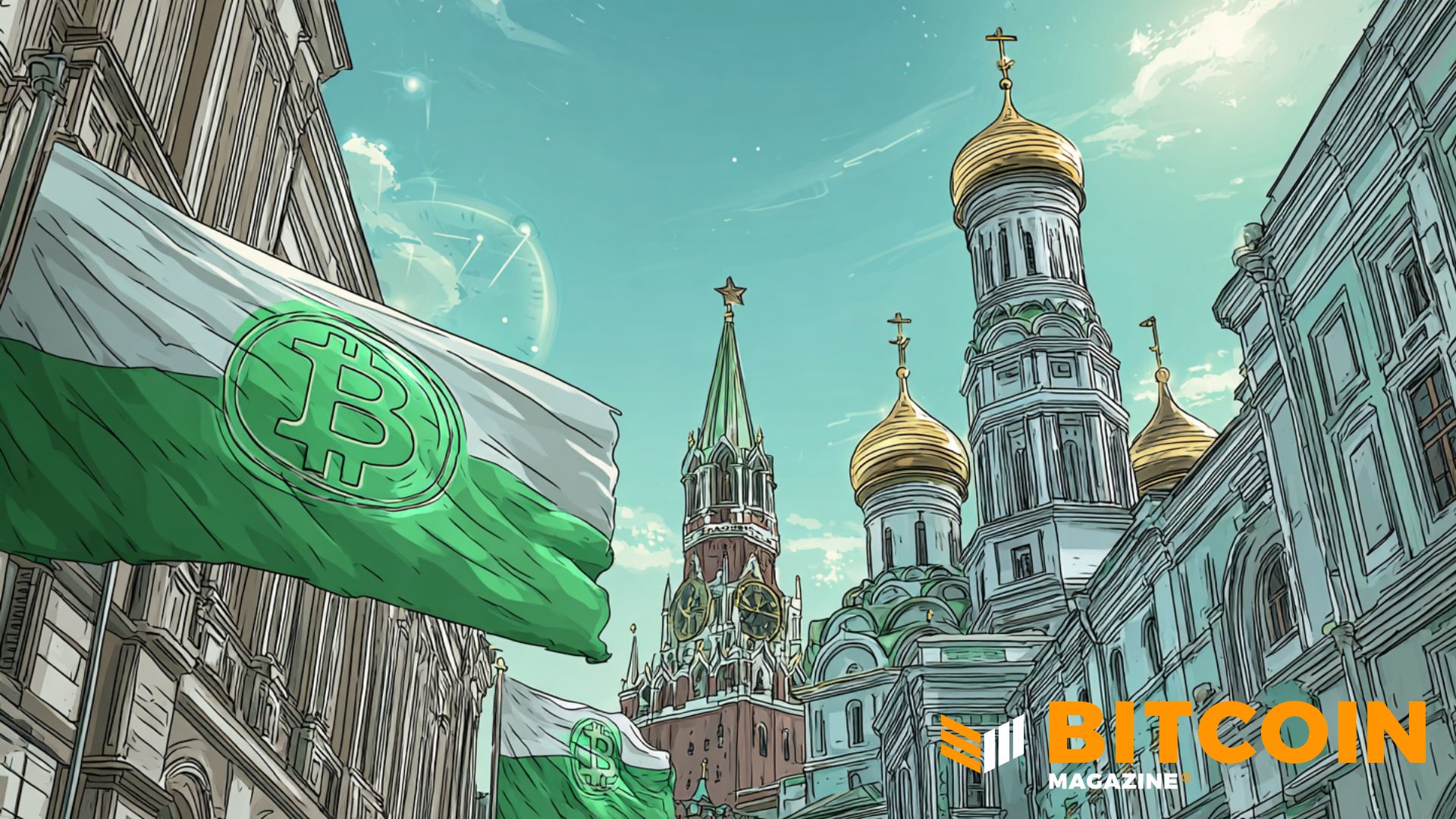
Sberbank will provide access to cryptocurrency trading as soon as regulation and regulated exchange trading begins, Ruslan Vestrovsky, senior vice president and head of wealth management, said at the Moscow Stock Exchange Forum. According to To the Russian TASS agency.
The Bank of Russia maintains its view on cryptocurrencies as a high-risk instrument within its policy framework.
In December 2025, the Bank of Russia published A concept of domestic cryptocurrency regulation that allows qualified and non-qualified investors to purchase cryptocurrency assets. This concept defines digital currencies and stablecoins as currency assets that are allowed to be bought and sold, while local payments with them remain prohibited.
Under the proposal, non-qualified investors could access the most liquid cryptocurrencies after passing the test and within an annual limit of 300,000 rubles through a single broker.
Sberbank It stated that it would be ready to provide clients with access once the regulation is enacted and stock exchange trading commences, in coordination with other market participants and regulators.
In 2025, Sberbank Expanded The issuance of digital financial assets reached 408 billion rubles, a level that exceeds 2024 production by a wide margin and reflects strong growth from 2023.
The bank issued a cryptocurrency-backed test loan to Intelion Data in December 2025, collateralized by mined bitcoin, and used a special custody system to store the collateral.
The authorities expect to finalize the legislation governing digital assets by July 1, 2026.
Draft law on the legislation of cryptocurrencies in Russia
Earlier today, the Russian Duma submitted a comprehensive draft law regulating cryptocurrencies on its first reading, with 327 out of 340 deputies voting in favour. The proposed law, introduced by the Government of Russia, establishes a comprehensive framework for the issuance, trading and storage of digital currencies under licensed intermediaries supervised by the Bank of Russia.
It classifies cryptocurrency as proprietary – allowing it to be used in legal disputes – while maintaining a ban on domestic payments while allowing cross-border transactions.
The bill also introduces investor tiers, stricter controls on peer-to-peer activity, a regulated custody system, along with requirements for mining operations to use local infrastructure.
Lawmakers still need to approve two additional readings, with some officials calling for reviews over concerns about market restrictions and asset protection.
Editorial disclaimer: We leverage AI as part of our editorial workflow, including supporting research, image generation, and quality assurance processes. All content is directed, reviewed and approved by our editorial team, responsible for accuracy and integrity. AI-generated images only use tools properly trained on licensing materials. In Bitcoin, as in the media: don’t trust. Confirms.


