

Global average gross agricultural income per worker is expected to rise by 9% by 2035, according to a new report released today (Monday 29 June) by the Food and Agriculture Organization of the United Nations (FAO) and the Organization for Economic Co-operation and Development (OECD).
This rise is expected to be driven by productivity gains and broad stabilization of agricultural prices.
However, the organizations stated that these forecasts remain vulnerable to market fluctuations caused by crises and conflicts.
The report estimates that if the frequency of shocks observed in recent years continues, there is a 25% chance that agricultural income in 2035 will be below current levels.
Short-term risks are also significant, with recent increases in energy prices and the resulting decline in fertilizer use likely to impact agricultural production in 2027.
While high-income countries can absorb these shocks more easily, low-income countries face deteriorating food security, according to the report.
OECD report Food and Agriculture Organization
The Joint OECD/FAO Agricultural Outlook 2026-2035 provides an essential global reference for medium-term forecasts of agricultural markets and fisheries at national, regional and global levels.
Under stable conditions, global agricultural and fishery production is expected to grow by 13% over the next ten years.
This will be driven primarily by improving productivity and intensifying production, with growth concentrated in Asia, sub-Saharan Africa and Latin America.
However, the forecast also highlights the potential negative effects of negative shocks, even if temporary.
If the average rise of 33% in energy prices in the first half of 2026 continues in the second half of the year, global cereal production will decline by 0.9% in 2027, and more sharply, by 1.7%, in low-income countries.
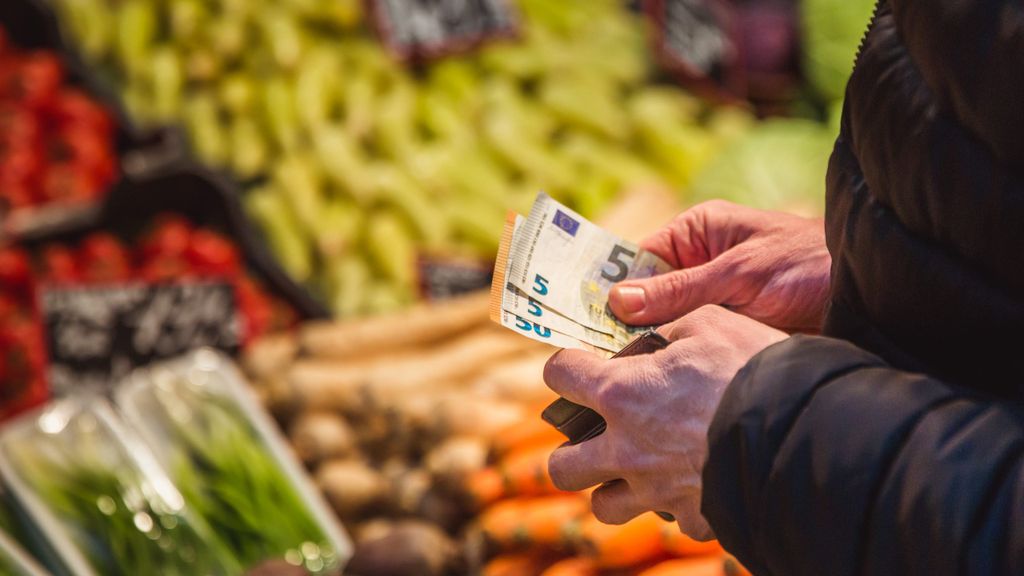
The associated income losses and rising food prices would force families in low-income countries to reduce food consumption and shift towards cheaper food.
“Our agri-food systems are under pressure, and our farmers are on the front line of rising energy and fertilizer costs,” said Mathias Cormann, Secretary-General of the OECD.
“Their resilience is our food security. Protecting them means better support for climate shocks, sustainable investment in productivity, and open, well-functioning global markets.”
FAO Director-General Qu Dongyu added: “In order to sustain productivity growth in agri-food systems, we must strengthen their resilience.
“Resilience does not mean surviving the last shock, but preparing for the next shock.
“By investing today in diverse trade corridors, regional reserves of vital agricultural inputs, resilient infrastructure, and a more diverse energy mix across agri-food systems that reduces dependence on oil, we can turn vulnerability into preparedness and ensure that temporary disruptions do not turn into food security crises.”
productivity
Under stable conditions, where productivity gains are expected to account for most of the production growth, some expansion of crop area and livestock numbers will still be necessary, the report said.
As a result, direct greenhouse gas emissions from agriculture are expected to increase by 6.5% over the next decade.
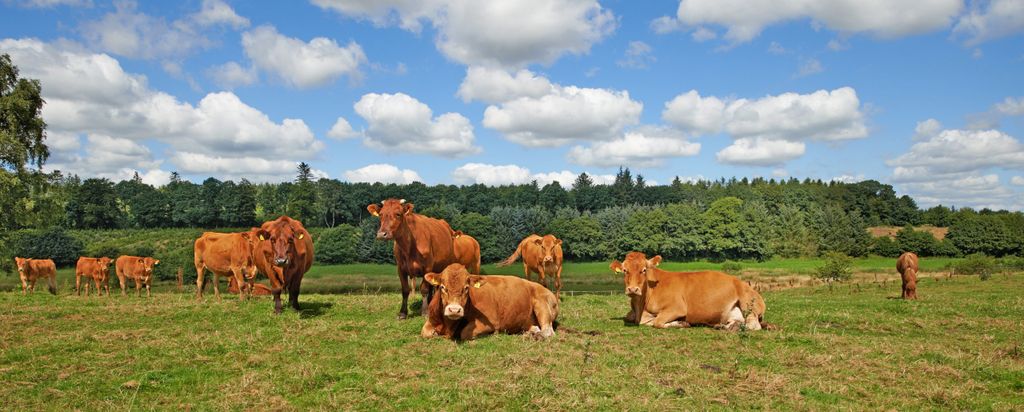
Livestock is expected to account for about 77% of this increase, reflecting growing animal herds, while synthetic fertilizers are expected to contribute another 23% through rising nitrous oxide emissions by 2035.
Expected improvements in productivity are expected to impose downward pressure on real prices of agricultural commodities.
While this may benefit consumers, it can create significant challenges for smallholder farmers, who are more vulnerable to market fluctuations and often have limited capacity to adopt technologies needed to increase productivity.
According to the report, governments should support productivity growth while improving farmers’ access to markets and providing locally designed support programmes.
Consumers in lower middle-income countries are expected to continue to diversify their diets, particularly through increased consumption of animal products as living standards rise.
At the same time, low-income countries, especially in sub-Saharan Africa, are expected to continue to lag behind other regions in food security and nutrition.
Meanwhile, food overconsumption is expected to continue in wealthier countries.
Southeast Asia is expected to account for 39% of global consumption growth by 2035, driven by population growth and rising per capita demand.
Multilateral cooperation, open markets and rules-based international agricultural trade remain vital to enhancing global food security, supporting more diverse diets, and helping to stabilize farm incomes, according to the OECD and FAO.
Key points from the report
- Global cereal production is expected to rise steadily, reaching a record level of 3.22 billion tons by 2035. This growth will be mainly driven by yield improvements of 0.9% per year, while the area of land under cereals is expected to expand by just 0.1% per year, less than half the rate recorded over the previous decade;
- By 2035, it is expected that humans will consume 40% of grains directly, while 34% will be used as animal feed. Food use will continue to be dominated by wheat and rice, while maize is primarily a feed grain;
- Global demand for biofuels is expected to grow by 1.4% annually over the next decade, driven mainly by Brazil, India and Indonesia. Growth is expected to slow in most high-income countries, as policy incentives weaken and electric vehicle adoption accelerates;
- Sub-Saharan Africa will represent an increasing share of global agricultural production over the next decade, contributing about 16% of additional global agricultural production in value by 2035, up from 11% in the previous decade. However, much of the region will remain vulnerable to food insecurity and external shocks. The Asia-Pacific region is expected to account for 58% of additional global agricultural output by 2035, with India alone contributing 26% of this increase. This growth will be largely driven by rapid expansion of the dairy herd and higher milk yields;
- In high-income countries, meat consumption growth is expected to slow significantly, as consumers increasingly shift from beef to poultry amid rising prices, health concerns and environmental pressures;
- Global fisheries and aquaculture production is expected to rise by 11% by 2035, with aquaculture continuing to drive growth and representing 56% of total production, compared to 53% today.


