

Cryptocurrencies close the week in cautious green after a few days of volatility. A weaker-than-expected inflation reading early in the week briefly pushed Bitcoin above $65,000 and Ethereum above $1,900, before a sixth straight day of US air strikes against Iran pulled risk assets back down. As of now, the majors are holding on to modest weekly gains, but the market remains flat below where it started in 2026.
Here’s what happened this week and what to watch next.

Where are crypto prices now?
As of this weekend, here’s a snapshot of the majors:
- Bitcoin (BTC): ~$64,300, up ~3.3% on the week but still down ~27% year to date
- Ethereum (ETH): ~$1,860, outstanding performance for 2026 with positive YTD gains close to +40% while the rest of the majors remain in the red
- $ripple: ~$1.14, the quietest weekly move among the major currencies, settling just above the $1 support level
- Solana ($SOL): It leads the majors this week with gains close to +5%, trying to regain its previous trading range
- $BNB: ~$610, up over 1% on the day
Bitcoin dominance is around 57%, and the total 24-hour market size is around $36 billion. Sentiment has recovered from the “extreme fear” lows hit in June but remains fragile.
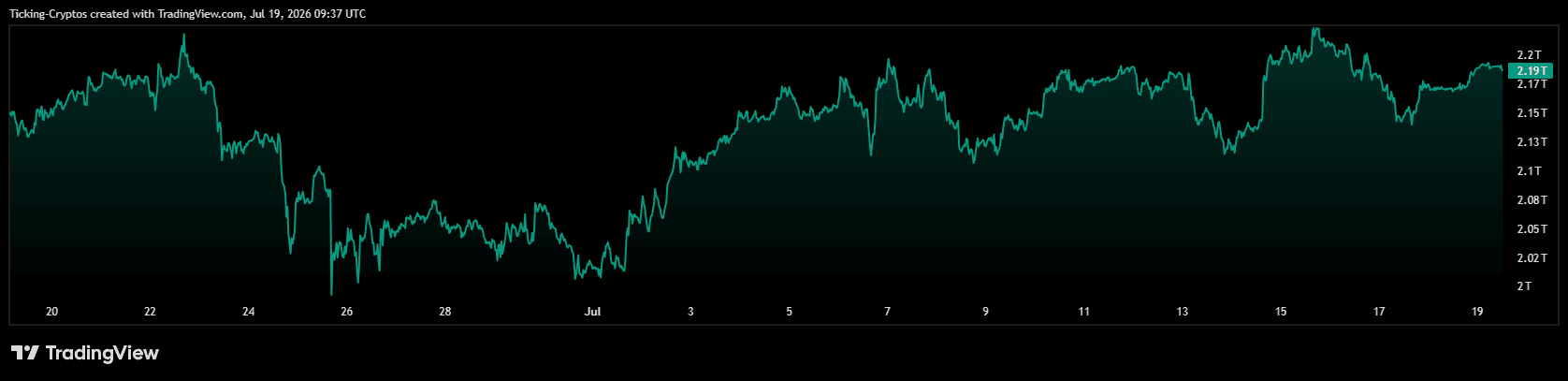
What drove the market this week?
Three forces defined the week. First, a Softer inflation report Early in the week, hopes were reignited for a less hawkish Fed, sparking a mid-week rally that briefly sent Bitcoin above $65,000. second, Geopolitics has reasserted itself – Sixth day of US airstrikes against Iran, effectively including the Strait of Hormuz closed The rise in oil prices has dampened appetite for risk-based assets such as cryptocurrencies. third, ETF inflows continued to rise: After recording a record $4.5 billion in net outflows in June — the worst month ever for U.S. spot bitcoin ETFs — early July saw a partial reversal of inflows, and the market is closely watching the first sustained “consecutive net outflow week” that many analysts see as a signal for a re-engagement.
Ethereum He continued to excel quietly. Analysts point to ETH’s historical tendency to lead broader cryptocurrency recoveries, and its technical setup — after reclaiming key moving averages with a push toward 100-day EMA resistance near $1,944 — looks stronger than Bitcoin’s at the moment.
Why is Bitcoin still performing poorly?
The Short Version: Bitcoin’s suffering in 2026 came not from cryptocurrency fundamentals, but from flows and macros. Outflows from ETFs removed a large structural source of demand, a hawkish Fed under Chairman Kevin Warsh kept the dollar strong, and capital shifted into AI stocks for most of the year. The Warsh meeting in June sent an unambiguously hawkish message, with the graph now pointing towards a possible increase in 2026 rather than a reduction. Until ETF flows turn permanently positive, Bitcoin’s largest structural supply remains a swing factor rather than a tailwind.
What to expect next week
The calendar is dominated by one event: FOMC meeting on July 28-29. Markets are now pricing in the high probability of a rate hike, a stark shift from expectations of rate cuts that have continued into the year. This meeting is widely viewed as the decision on whether the recent bottom will hold or open another downward path.
Key things to watch:
- Fed meeting (July 28-29): The single biggest motivator. A hardening suspension or rally keeps the dollar higher and puts pressure on cryptocurrencies; Any surprise that tends to be cautious could be the catalyst that risk assets have been waiting for.
- ETF flows: Watch for inflows to continue for several days – this is the signal many organizations want before re-engaging.
- Key Bitcoin Levels: Support is around $58,000 and resistance is near $63,800-$65,000. Holding more than $61,000 keeps the recovery case alive; A clean break above the 100-day EMA opens the door towards the $68,000-$70,000 area.
- Ethereum: A break above the resistance level around $1,944 would confirm ETH’s leadership narrative.
- Geopolitics: Developments around Iran and the Strait of Hormuz remain an opportunity for risk aversion and could go beyond the technical picture at any time.
Expect range-bound, headline-oriented trading


