
A comprehensive U.S. tariff overhaul simplifies the rules, but risks raising actual import costs. Information via the Wall Street Journal (Portals).
summary:
- The Trump administration is preparing to reform tariffs on steel and aluminum
-
The proposed shift to a 25% tax on the full value of finished goods
-
The change simplifies the compliance process but may raise actual import costs
-
Commodity metals will remain within the current tariff structure
-
It could boost tariff revenues after court rulings reduced other duties
The Trump administration is preparing to overhaul the steel and aluminum tariff framework, with a shift in how duties are applied to finished goods, which could change import costs materially despite the apparent decline in headline rates.
According to reports, a presidential announcement could be made this week, imposing a 25% tariff on finished products containing steel and aluminium. Crucially, the proposed change applies duties to the full value of imported goods – not just the mineral content – representing a major structural shift in how tariffs are calculated.
Under the current system, derivative goods face tariffs of up to 50%, but only on the portion of their value that is attributable to steel or aluminum inputs. The new approach would replace that with a lower nominal rate applied to the value of the entire product, a move that would simplify compliance but could increase the actual tariff burden across a wide range of imports.
Commodity-grade steel and aluminum products – those consisting largely of base metals – will continue to face current tariffs, with some products likely to be reclassified into this category depending on their composition.
The proposed changes come after persistent complaints from manufacturers that calculating the mineral content of complex goods was difficult and operationally inconsistent. By shifting to a full-value tariff approach, the administration aims to simplify the implementation process while maintaining protection of domestic industries.
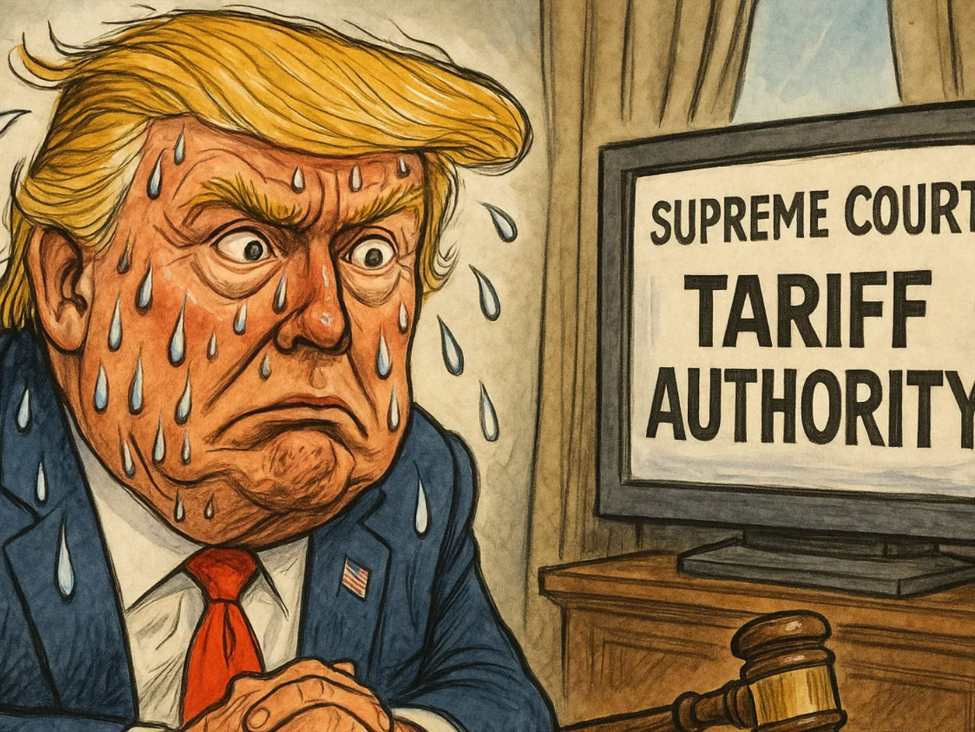
From a financial perspective, the move could also increase the government’s tariff revenues, especially after recent legal setbacks. A Supreme Court ruling earlier this year invalidated several of the administration’s broader tariff measures, reducing overall collections and prompting a reassessment of trade policy tools.
The reform reflects a broader push to boost domestic industrial capacity, with policymakers framing the changes as part of a broader strategy to remanufacture and support American producers. However, the impact is likely to vary significantly across sectors, with some importers facing higher costs despite a lower nominal tariff rate.
The first anniversary of this disaster will be next week.


