
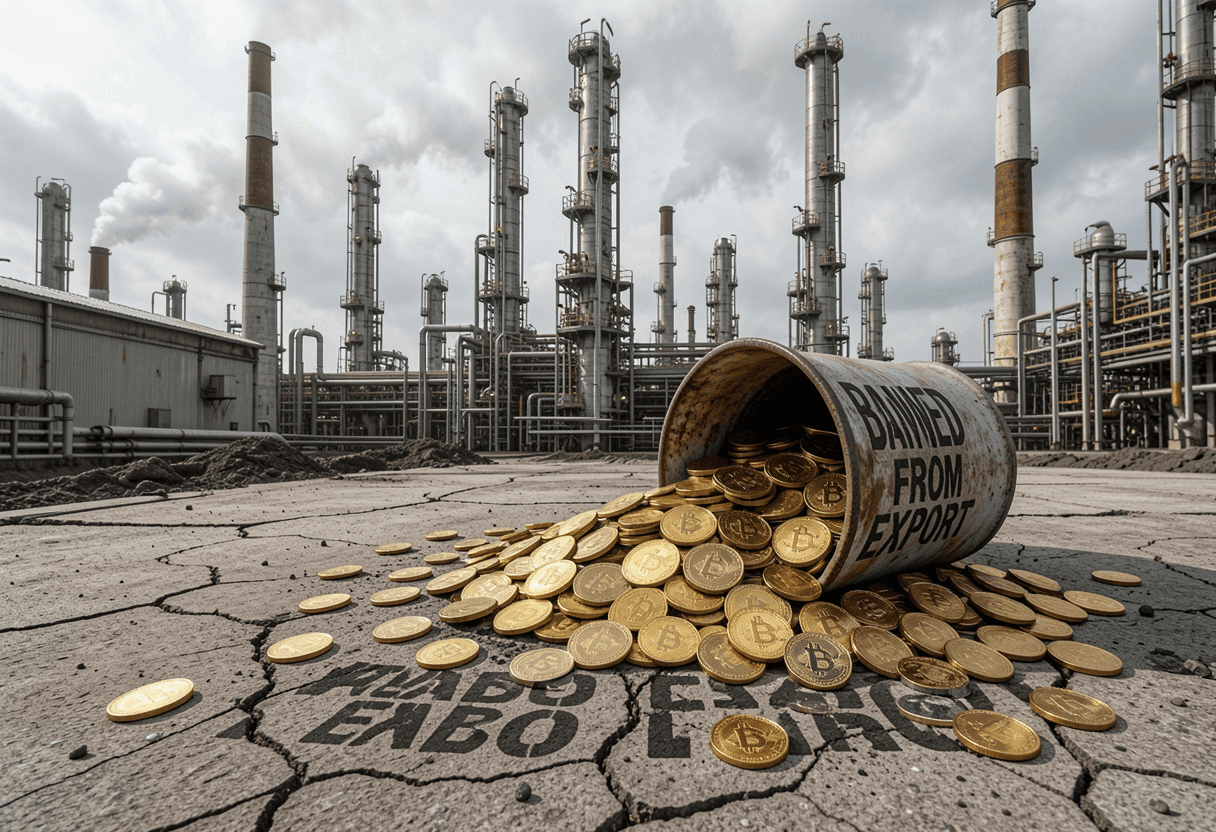
Russia bans gasoline exports – the beginning of a new energy shock
In a surprising political move, Russia announced Gasoline export ban starting April 1leading to a tightening of global fuel supplies at a time when geopolitical risks are already rising.
According to Russian state media reports, the decision came after high-level discussions between energy officials and major oil companies, suggesting a coordinated effort to stabilize domestic supply — at the expense of global markets.
👉 Result: Decreased fuel availability globally, and increasing pressure on oil prices.
The price of Brent crude is expected to rise further
This development has a direct impact Brent crudethe global standard, which already interacts with:
- Ongoing geopolitical tensions in the Middle East
- Supply disruptions across major oil producing regions
- Increased elasticity of demand despite aggregate uncertainty
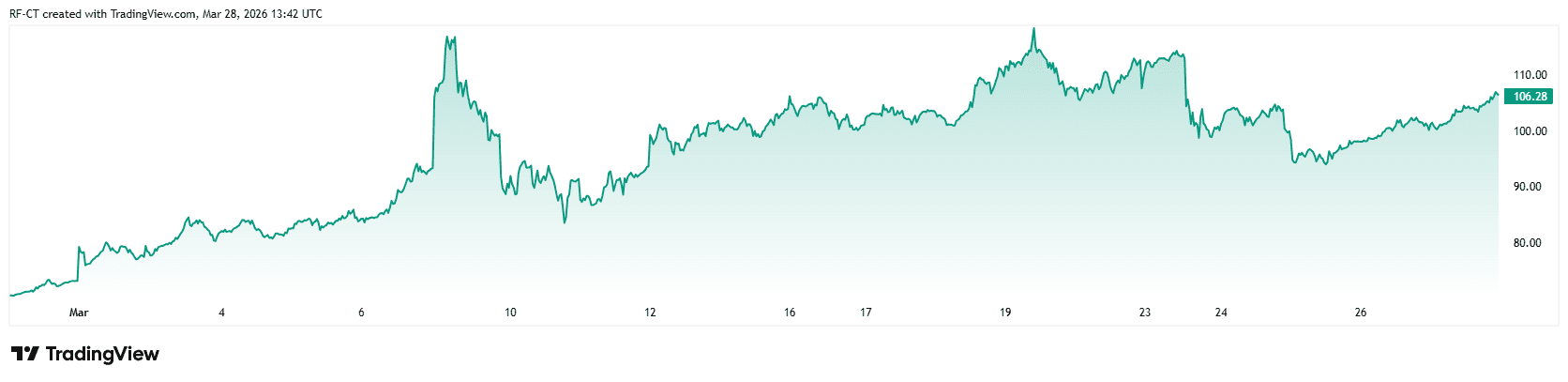
With Russia restricting gasoline exports, markets are now pricing in the following:
- Tighten the supply of refined fuel
- Higher refining margins
- Upward pressure on crude oil prices
👉 Move towards An oil price exceeding $115 is becoming increasingly realistic If supply restrictions persist.
Why is rising oil prices bearish for cryptocurrencies?
At first glance, it may seem that oil and cryptocurrencies are not related to each other, but in fact, they are closely related. Global liquidity and macro risk sentiment.
When oil prices rise:
1. High inflation expectations
High energy costs affect the entire economy – from transportation to manufacturing.
➡️ This increases inflation pressure globally.
2. Central banks remain hawkish
Higher inflation reduces the likelihood of interest rate cuts.
➡️ Liquidity remains limited, which hurts risky assets like cryptocurrencies.
3. Risk aversion sentiment dominates
Investors rotate capital into safer assets or commodities.
➡️ Bitcoin and altcoins are facing selling pressure.
👉 This is the same pattern seen in previous oil shocks: Cryptocurrencies fall as energy rises.
 Compare the best cryptocurrency exchanges and trade smarter with the best 🚀
Bitcoin and altcoins are already feeling the pressure
The market reaction has already begun:
- Bitcoin is struggling to maintain key support levels
- Ethereum and altcoins are moving down side by side
- Increased correlation with stocks and macro indices
Despite the recent rise news (ETF flows, institutional demand), Macro forces are currently dominating the price action.
👉 Cryptocurrencies are no longer traded in isolation – they react to global energy shocks.
The bigger picture: The macroeconomic-driven cryptocurrency market
The gasoline export ban is not just a regional policy – it is part of a broader shift:
- Energy has become a geopolitical weapon
- Supply chains are fragmented
- Inflation risks return
For cryptocurrency markets, this means one thing:
👉 The macro is back in control.
Until oil stabilizes and liquidity conditions improve, cryptocurrency markets may remain under pressure.
Outlook: What should crypto investors watch next?
Key signs to watch for:
- Brent Crude Price Trajectory ($90 → $100)
- Developments in tensions in the Middle East
- Central bank policy forecasts
- Bitcoin’s ability to maintain key support levels
If oil continues to rise, expect:
➡️ Continued downward or sideways movement in cryptocurrencies
➡️ Increased volatility
➡️ Delayed upward momentum


