
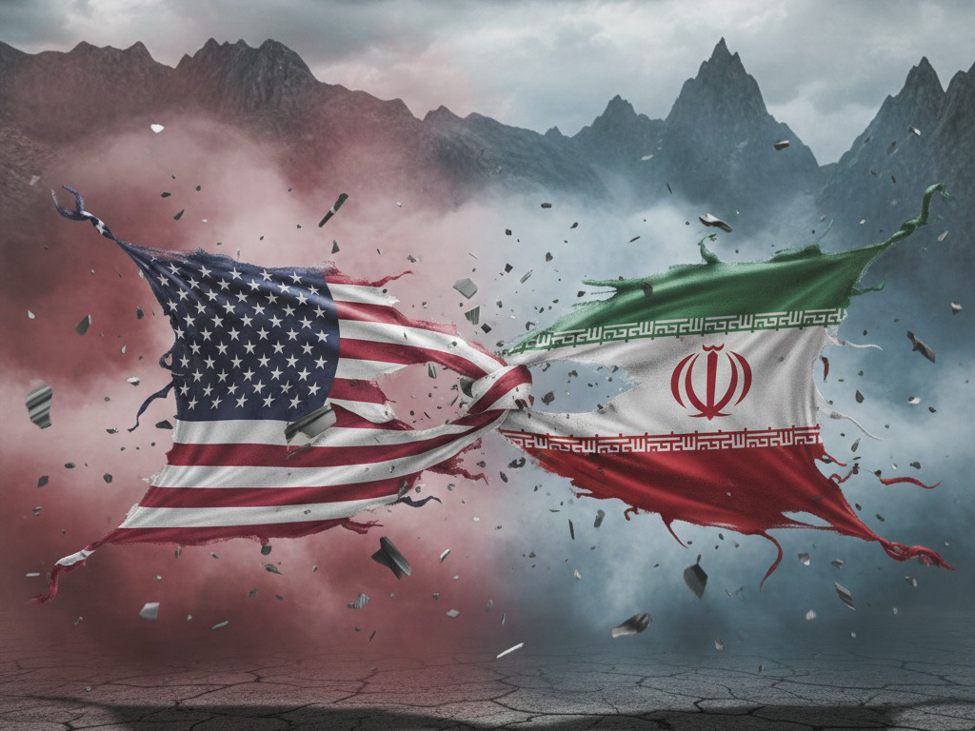
- Tehran rejected any temporary ceasefire with the United States
- Tehran has set preconditions for talks with the United States on permanent peace
- Preconditions include immediate cessation of strikes, guarantees that strikes will not be repeated, and compensation for damages
- Under the permanent peace agreement, Tehran demands fees on ships passing through the Strait of Hormuz
A senior Iranian source said that Tehran rejected the American proposal for a temporary ceasefire, describing the truce offer as a tactical maneuver and not a sincere path to peace. A high-ranking Iranian source confirmed that the Islamic Republic had instead presented a counter-proposal emphasizing that it would only consider a permanent solution to the conflict. The rejection comes as Trump’s Tuesday evening deadline approaches, with Washington threatening to launch large-scale strikes against Iranian civilian infrastructure, including power plants and bridges, if the Strait of Hormuz is not reopened.
Tehran’s new position is based on a set of strict preconditions for any further negotiations. The Iranian leadership demands an immediate and complete cessation of all US and Israeli military strikes as a basis for dialogue. Moreover, the proposal insists on strict international guarantees that such “aggressive acts” will not be repeated in the future. Besides the cessation of hostilities, Tehran is also seeking significant financial compensation for the extensive damage caused by military strikes since the outbreak of the conflict.
Under the terms of the proposed permanent peace agreement, Tehran demands the right to collect transit fees from ships passing through the strait. This is something the United States is likely to reject. So far, tensions remain high and a real breakthrough seems unlikely before the deadline expires.


