
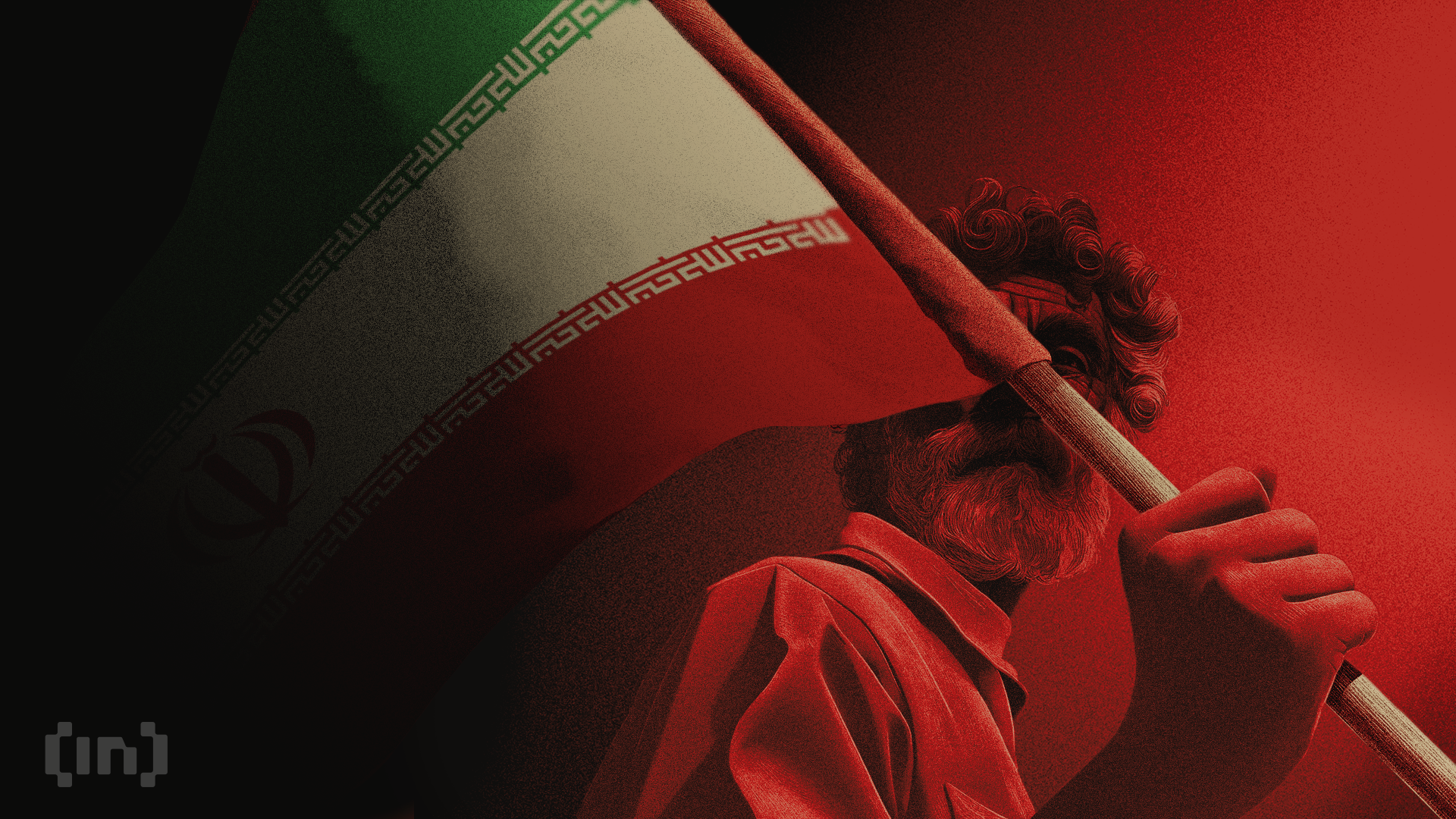
Iran and the United States agreed to Ceasefire for two weeksWhich led to the cessation of one of the most dangerous military confrontations in the history of the modern Middle East. The Pakistani Prime Minister brokered a halt to the talks after personally urging both sides to step down.
This fragile truce leaves almost all major conflicts unresolved, with continuing reports of fighting in the region.
What you need to know about the two-week ceasefire between Iran and the United States
Q: Why did Trump agree to stop the bombing campaign against Iran?
A. Trump quote Talks with Pakistani Prime Minister Shehbaz Sharif and Army Chief Asim Munir were decisive. Sharif publicly urged Trump to extend the deadline by two weeks and asked Iran to open the Strait of Hormuz. Trump said that US military goals have already been achieved and exceeded.
Q: Has Iran really accepted the terms of the ceasefire?
A: Iran’s Supreme National Security Council confirmed acceptance of the agreement but issued a clear warning. The council’s statement said: “Our hands remain on the trigger.” Iran stressed that the ceasefire does not mean the end of the war.
Q: What is happening in the Strait of Hormuz?
A: The Iranian Foreign Minister said that ships may pass through the strait within the next two weeks within the framework of military coordination. But Iran attached conditions it called “technical restrictions,” which did not exist before the war. About a fifth of the world’s oil supply passes through the strait under normal conditions.
Q: What actually is included in Iran’s 10-point peace proposal?
A. Iranian Supreme National Security Council Released Her full 10-point plan was released via the semi-official Mehr news agency. The demands represent a comprehensive restructuring of relations between the United States and Iran, and not just a ceasefire arrangement. The ten points are as follows:
- The United States’ commitment not to undertake any further aggressive actions against Iran
- Continued Iranian control over the Strait of Hormuz
- The United States accepts Iran’s right to nuclear enrichment
- Lifting all essential US sanctions on Iran
- Lift all secondary US sanctions affecting third-party entities
- – Ending all UN Security Council resolutions against Iran
- End all decisions of the IAEA Board of Governors against Iran
- US payment of war damages and reparations to Iran
- – Complete withdrawal of American combat forces from the region
- Cessation of hostilities on all fronts, including Lebanon
The White House did not clarify what Trump meant when he described the plan as “doable.”
Q: Is the ceasefire really holding on the ground?
A: Missile alerts went off in Israel and the United Arab Emirates shortly after both sides announced a ceasefire. IRGC commanders have operated independently throughout the conflict, making compliance uncertain. Many regional wars witnessed last-minute strikes even after a ceasefire was declared.
Q: How did financial markets respond to the truce?
A: US crude oil futures fell 18% to about $92.60 per barrel after Trump’s announcement. S&P 500 futures rose 2.4% as investors welcomed the de-escalation signal. However, oil prices remain well above pre-war levels, approaching $70 per barrel.
Q: What happens next, and what remains unresolved?
A: American and Iranian negotiators are scheduled to meet in Islamabad starting Friday. Iran’s demand for US military withdrawal from the region remains highly controversial for the Arab Gulf states. It remains unclear whether the Revolutionary Guards will respect the truce — and whether Iran’s terms are acceptable to Washington.
this post Iran agrees to ceasefire – but warns that “hands remain on the trigger” appeared first on BeInCrypto.


