
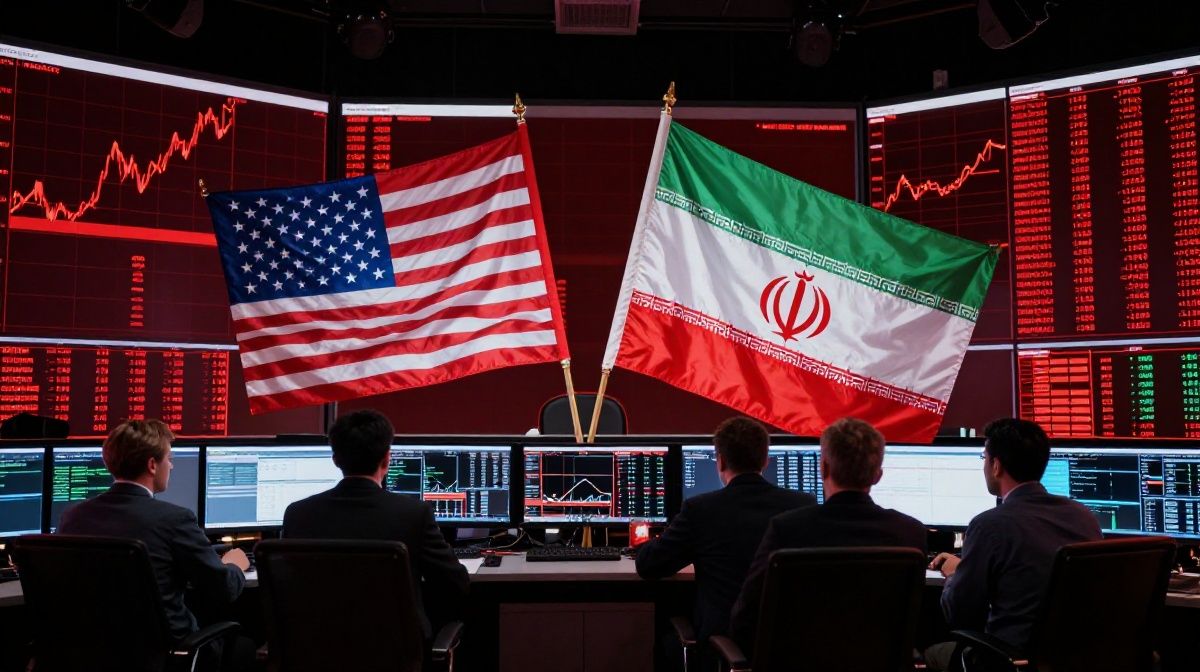
Two markets moved in opposite directions on the same address. With the United States and Iran confirming a peace deal to end their nearly four-month war and reopening the Strait of Hormuz, crude oil fell to a three-month low – while bitcoin and the top 10 cryptocurrency markets posted a green week. The reason is the same for both: the largest geopolitical risk premium weighing on global markets is finally beginning to disintegrate.
Here are the full details of the oil collapse, the latest developments in the US-Iran war, and how the top 10 cryptocurrencies have performed over the past seven days.
Oil collapses to its lowest levels in three months
De-escalation has hit energy markets hard. US crude oil closed down 4.8% to $80.75 a barrel, while international Brent crude fell 4.7% to $83.17 – the lowest closing price for both benchmarks since the first week of March, right after the war began.
The slide was not a one-day event. Oil had already fallen more than 6% over the previous week in anticipation of a deal, meaning the market got ahead of the news before official confirmation arrived. Heating oil, an alternative to jet fuel, fell more than 3.5%, and wholesale gasoline prices fell more than 2.5%.
The catalyst is the Strait of Hormuz. Nearly 20% of the world’s oil supply passed through the strait before tanker traffic collapsed in early March, and its closure led to one of the largest oil supply shocks on record. With Trump allowing the strait to reopen for free and lifting the US naval blockade, traders have begun to appreciate the return of Gulf energy flows.
- Warning: Prices may not drop further from here. The price of crude oil remains significantly higher during the year, and analysts warn that it will take time to restore supplies to pre-war levels. Nearly 600 ships – mostly oil and liquefied natural gas tankers – remain stuck in the Gulf, unable to transit Hormuz due to mine threats and exorbitant war insurance premiums. Ship owners and insurers will need to be convinced that passage is safe before large-scale shipping resumes, and clearing mines from the strait could take weeks.

**CFDs are complex instruments and come with a high risk of losing money quickly due to leverage. 74% of retail investor accounts lose money when trading CFDs with this provider. You should consider whether you understand how CFDs work and whether you can bear the high risk of losing your money.
Latest developments in the US-Iranian war
The diplomatic picture improved over the weekend, but it still holds open questions:
- The deal has been reached, and a signing is scheduled for Friday. Pakistani Prime Minister Shehbaz Sharif – the main mediator – announced that the two sides had announced an immediate and permanent end to military operations on all fronts, including Lebanon. The official signing ceremony is scheduled to take place on June 19 in Switzerland.
- Trump confirmed and reopened the Strait of Hormuz. The president announced the deal was complete, authorized the free opening of the strait, and ordered the removal of the US naval blockade.
- Oil exemption for Iran. The US is said to be giving Iran an exemption to sell its oil within a 60-day window – which is important given that oil and gas typically generate about 60% of Iranian government revenue.
- Contradictions remain. Iranian official media indicated that the Strait of Hormuz will be free for only 60 days, after which Iran and the Sultanate of Oman will take over management of the Strait. Neither side has released the full text of the truce, suggesting that terms remain fluid.
Conclusion: The framework exists and markets treat it as real, but the signing on June 19 in Switzerland is the event that turns intent into commitment. Until then, expect headline-driven volatility in both energy and risk assets.
Top 10 Cryptocurrencies: 7-day performance (excluding stablecoins)
While oil fell, cryptocurrencies rose. The lifting of the geopolitical burden pushed risk appetite back into digital assets, with every major name rising over the subsequent seven days. Here’s how the top 10 performed (excluding Tether and USDC stablecoins):
- Bitcoin ($ Bitcoin): ~$66,389 — ▲ 2.93% (7 days). BTC has reclaimed the $65,000 level, recovering from the war-induced sell-off that pushed it toward multi-month lows.
- Ethereum ($ Ethereum): ~$1,719 — ▲ 1.89% (7 days). ETH settled solidly above $1,700, although its weekly gains lagged behind higher beta names.
- $BNB: ~$612 — ▲ 1.08% (7 days). Steady and modest progress in line with a broad-based recovery.
- $XRP: ~$1.23 — ▲ 0.89% (7 days). Smallest weekly gains among major currencies, but still green.
- Solana ($ sol): ~$70 — ▲ 4.62% (7 days). Top of the major currencies, topping the weekly board with the return of high beta appetite.
- you see ($TRX): ~$0.319 — ▼ 2.24% (7 days). The only laggard, sliding during the week despite broader market strength.
The pattern is a textbook risk-on rotation: names with higher beta and more speculative (SOL advances +4.62%) outperformed more stable large-cap stocks (BTC, ETH, BNB), while the broad market index of the top 20 stocks rose nearly 5% on the week.
Cryptocurrency Market Update: What to Watch Next
The oil-crypto dichotomy tells one story: Markets are re-pricing a world with less risk of war. Cheaper energy eases inflation pressures at the margin, lifting the naval blockade restores global trade flows, and eliminating the geopolitical premium frees up risk appetite for assets like Bitcoin that were sold off the most during the conflict.
But this relief march is based on an agreement, which has not yet been signed. Three things to watch for next week:
- Signing on June 19 in Switzerland. Clean execution confirms the validity of this step; The slippage – as previous “Deal is Close” headlines have shown – could reflect a decline in oil and a rebound in cryptocurrencies.
- Practically reopening the Strait of Hormuz. It is demining and the confidence of insurance companies, not advertising, that determines whether oil will continue to decline.
- Continue encryption. Whether Bitcoin can rise above $65,000 and Solana can extend its advance will indicate whether this is a permanent rotation or a short-lived bounce from Extreme Fear.
For now, the message from both markets is consistent: the war premium is starting to show, and risky assets are breathing again.


