
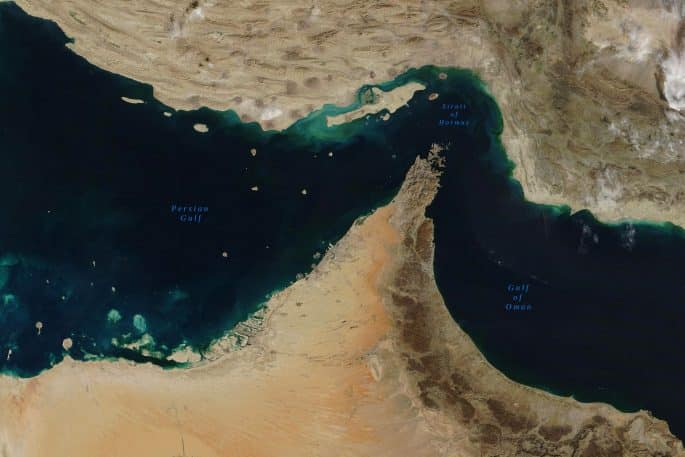
## Market Snapshot: “Traffic in the Strait of Hormuz returns to normal by July 31,” The market rate is currently at 42.5% Yes, down from 44% 24 hours ago. The “Bab el-Mandab Strait effectively closed by May 31” rate is 5% yes, with no significant change over the past week.
## Key Points – The report from CNBC indicates a major disruption in the Strait of Hormuz, which could lead to a record drop in oil inventories. – Market prices indicate a low probability that traffic will return to normal in the Strait of Hormuz by July 31. – The news seems irrelevant to the Bab al-Mandab Strait market, as it focuses only on the Strait of Hormuz.
## CNBC reported that global oil inventories could reach unprecedented levels if the Strait of Hormuz remains closed due to ongoing military tensions in the region. This strait is a vital corridor for global shipments of crude oil and liquefied natural gas, and its closure represents a major escalation in the Iranian-Israeli conflict, which includes the United States and the Gulf states. The report highlights the strategic importance of the Strait of Hormuz and the dire repercussions of its closure on global energy supply chains and maritime trade. Restrictions on tanker movements have raised concerns about prolonged unrest, underscoring the geopolitical risks involved.
## Market Interpretation The closure of the Strait of Hormuz is seen as highly disruptive, with market reactions reflecting a low likelihood of traffic returning to normal by July 31. This appears to be consistent with the significant impact on global oil supply chains. The impact is rated as high, given the crucial role the strait plays in energy transport and the geopolitical complexities it plays. The May 2024 ship transit market also reflects lower confidence in the decision, consistent with ongoing tensions.
## What to Watch Key developments to watch include any diplomatic efforts or military actions by the United States and Iran that could affect the status of the Strait. Data from IMF PortWatch, US Naval Central Command, and Iranian authorities will be crucial in assessing the situation. In addition, any agreements or escalations in the region could significantly impact market expectations and prices in the coming weeks.
Get predictive market information as a structured API feed. Early access waiting list.


