
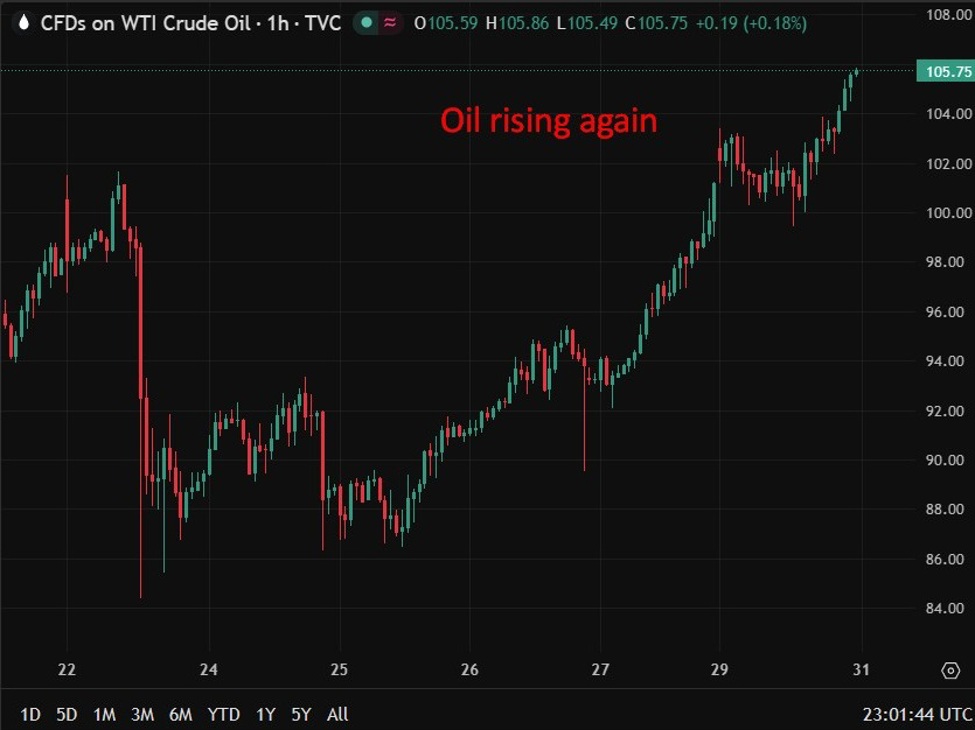
The oil risk premium is likely to rise sharply, especially with tanker involvement and spill risks. Markets will focus on whether the attacks hit export infrastructure or disrupted Hormuz flows. Expect fluctuations in the prices of oil, gold and risk assets.
summary:
- Multiple attacks were reported across the Gulf region, including Dubai, Kuwait and Saudi Arabia
-
Reports of a fire in an oil tanker in Dubai Port; No victims
-
Kuwait warns of a possible oil leak after the attack on the tanker
-
Saudi Arabia intercepts four ballistic missiles targeting Riyadh
-
Drone strikes and debris interceptions reported in Dubai; Minor injuries
-
Sirens sound in Bahrain
-
The escalation indicates the expansion of the regional conflict and the rise in energy risks
A series of coordinated attacks across the Gulf have heightened fears of a broader regional escalation in the Iranian conflict, with strikes reported in the United Arab Emirates, Saudi Arabia, Kuwait and Bahrain.
The official Kuwait News Agency said that a giant oil tanker was targeted in an attack in Dubai Port, which led to a fire on board the ship. The authorities confirmed that there were no casualties, although damage assessments are continuing. Officials also warned of the possibility of oil spilling into surrounding waters, raising concerns about environmental and supply disruptions.
The incident in Dubai appears to be part of a broader wave of attacks. The Saudi Ministry of Defense said that its air defenses intercepted and destroyed four ballistic missiles launched towards the Riyadh region, underscoring the ongoing threat to vital infrastructure in the Gulf’s largest economy.
In the United Arab Emirates, authorities reported drone strikes and fallout from air defense intercepts, including debris that caused a fire in a residential building in Dubai’s Al Badia area, leaving several people with minor injuries. Meanwhile, air raid sirens sounded in Bahrain, indicating heightened alert levels across the region.
These developments represent a significant intensification of hostilities, with attacks extending to multiple countries and targeting energy infrastructure and civilian areas. The Gulf region, home to major oil export facilities and shipping routes, remains highly sensitive to such disruptions.
Markets will be watching closely for further confirmation of the scale and coordination of the attacks, as well as any damage to energy infrastructure or shipping flows. The risk of supply disruptions, especially if incidents spread to critical checkpoints or export terminals, is likely to keep geopolitical risk premiums high across broader oil and commodity markets.


