
## Market snapshot
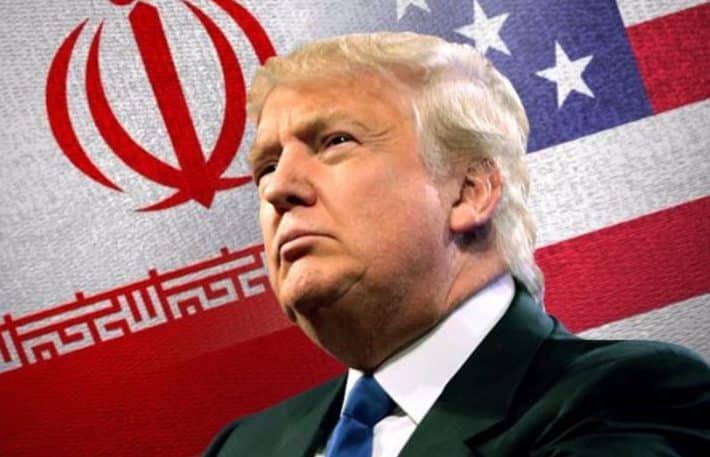
The “US invasion of Iran” market reflects increasing possibilities for escalation, as prices indicate increasing possibilities for military action. Meanwhile, the markets for “Normalization of Traffic in the Strait of Hormuz” and “Trump Announcement of Blockade of Hormuz” see low probabilities, indicating that normalization and lifting of the blockade are viewed as less likely outcomes.
## Key takeaways
The incident of US destroyers crossing the Strait of Hormuz under Iranian fire appears to be consistent with the growing possibility of further escalation in the US-Iranian conflict. – Pricing indicates a low likelihood that traffic in the Strait of Hormuz will return to normal by June, reflecting ongoing tensions. – The likelihood of Trump’s announcement on lifting the siege of Hormuz appears to have diminished, as market participants see rising conflict risks.
## Article text
Two US destroyers, USS Truxtun and USS Mason, transited the Strait of Hormuz under Iranian fire, escalating tensions in the already volatile region. The incident is part of the broader conflict between the United States and Iran, which has seen a series of military clashes since the United States and Israel began operations against Iran earlier in the year. The Strait of Hormuz, a crucial crossing point for the global oil transit, is under a virtual blockade by Iran, which is using a range of tactics to obstruct passage, prompting the United States to implement a military escort operation called “Operation Freedom.” The recent escalation underscores the fragile nature of the ceasefire and the continuing risks of miscalculation between the two countries.
## Market interpretation
The latest developments are consistent with scenarios supporting a “yes” outcome in the “US invasion of Iran” market, indicating a potential escalation towards a broader military conflict. The impact is considered moderate, reflecting the ongoing nature of the conflict. Likewise, the incident supports a no-show finding in both the “Normalization of Traffic in the Strait of Hormuz” and “Trump’s Announcement of the Blockade of Hormuz” markets, the latter of which showed significant impact due to the significant implications of continued hostilities on trade and geopolitical stability.
## What to watch
The observers will monitor any military engagements or other diplomatic efforts between the United States and Iran, especially actions involving President Trump and the leadership of the Iranian Revolutionary Guard. The evolving situation in the Strait of Hormuz, including any changes in traffic or military positions, will be crucial in assessing future market movements. In addition, statements by key geopolitical stakeholders such as the Israeli government and ceasefire mediators such as Pakistan and China can provide key indicators of the course of the conflict.
Get predictive market information as a structured API feed. Early access waiting list.


