
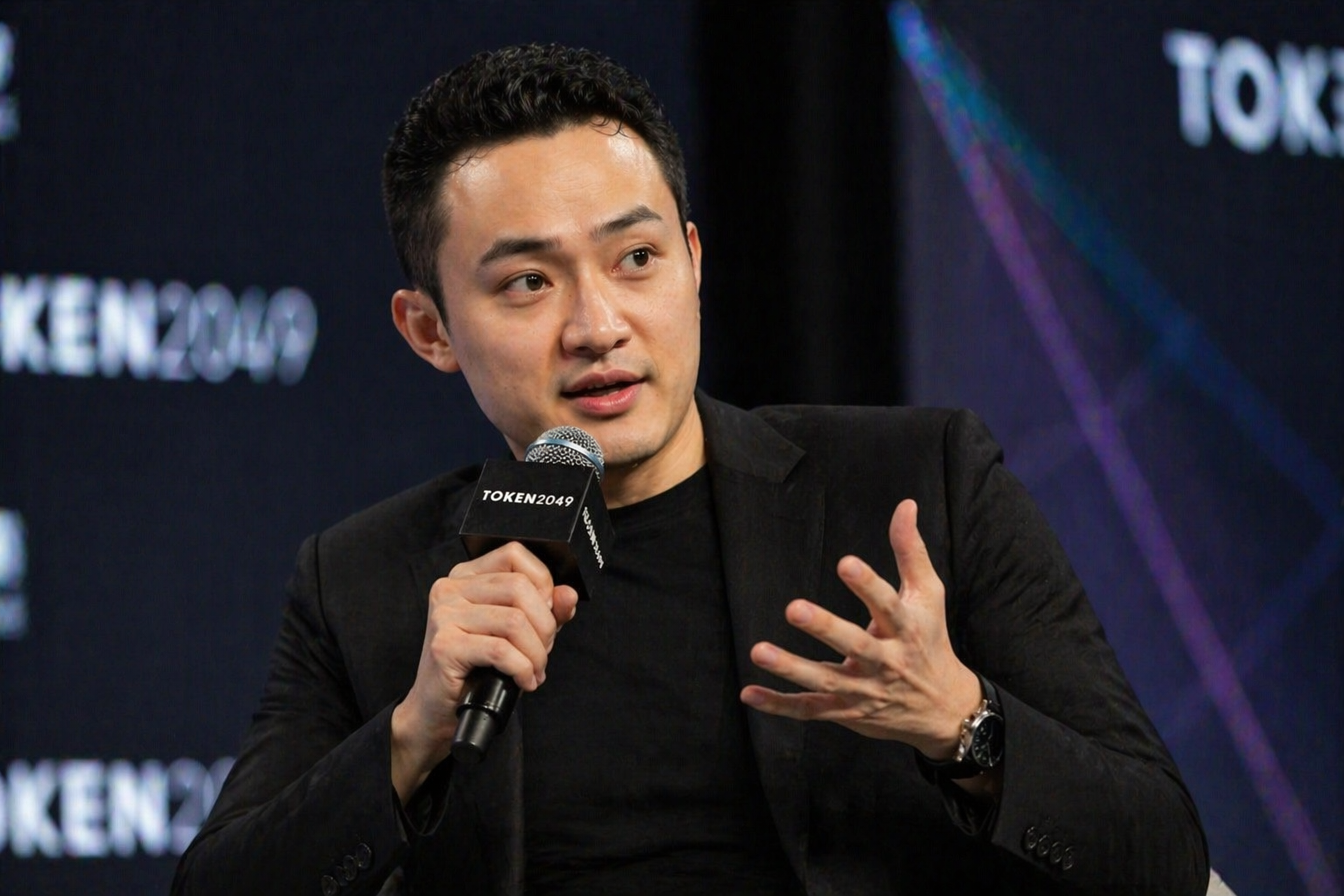

- Justin Sun says WLFI froze 2.94 billion tokens and removed voting rights.
- A lawsuit filed after failed attempts to resolve the dispute privately.
- WLFI has put forward a governance proposal that could result in tokens being locked for non-consenting holders.
Justin Sun filed a lawsuit in federal court in California against World Liberty Financial (WLFI), alleging that the project unjustifiably froze his holdings of 2.94 billion WLFI tokens and stripped him of key investor rights.
The move escalates a growing dispute between one of the cryptocurrency space’s most well-known entrepreneurs and a project that has positioned itself around decentralized governance and token distribution in the early stages.
in His public statementSun confirmed that he is seeking legal protection for his rights as a WLFI token holder.
Sun also stressed that the lawsuit does not change his political stance or support for the Trump administration’s pro-crypto approach. According to him, the dispute is strictly about the treatment of investors and symbolic governance, not politics.
Freeze tokens and remove voting rights
At the heart of the case is Sun’s claim WLFI has frozen all 2.94 billion tokens (540 million unlocked tokens and 2.4 billion locked tokens). He argues that this action made it impossible for him to transfer, sell or otherwise use his property.
The value of the property fell from more than $107 million in September 2025, when it was frozen, to about $43-60 million by April 2026.
Sun also claims that WLFI removed the governance voting rights associated with those tokens. This meant that he was unable to participate in key decisions affecting the protocol, including recent administrative changes introduced by the project team.
Sun further claims that WLFI went beyond freezing his position and threatened to permanently destroy part of his property through symbolic “burning.”
According to his statements, these actions were carried out without clear justification and without giving him a fair opportunity to respond.
He also says he tried to resolve the issue privately with WLFI before taking legal action. However, he claims that the project team refused to restore access to his tokens or return his governance rights, leaving him no choice but to go to court.
Sun has described his position as clear and straightforward: he wants to be treated in the same way as other early investors who acquired WLFI tokens, without special privileges and without restrictions that are not applied equally.
Justin Sun also disagrees with WLFI’s governance proposal
The legal struggle comes alongside the dispute over A WLFI management proposal Released on April 15.
Sun has publicly opposed the proposal, arguing that it introduces conditions that could lock users’ tokens indefinitely if they do not actively accept the new terms.
The proposal reportedly includes a requirement to permanently burn 10% of the advisor’s tokens. It also offers a structure for early buyer tokens that includes a two-year cliff followed by a two-year vesting schedule.
Under the same framework, users who do not explicitly accept the new terms can have their tokens locked indefinitely.
Sun has raised concerns that this creates an unequal system where investors’ rights depend on active consent after the fact. He also noted a structural conflict in his own situation.
Because his coins are currently frozen, he says he cannot vote for or against the proposal, even though he is directly affected by it.
This has added another layer to the dispute, as participation in governance is typically a core function of token-based systems.
World Liberty Financial (WLFI) position.
WLFI has disputed Sun’s claims, arguing that the token restrictions were implemented due to internal security and compliance concerns.
The project confirms that its management mechanisms include administrative controls that can be used to protect the platform and its participants.
The dispute highlights a broader tension in cryptocurrency governance systems, particularly in projects that market themselves as decentralized while retaining central control features such as token freezes or administrative overrides.
Sun’s lawsuit focuses on whether these controls were properly disclosed and whether they could have been applied to large early investors without clear procedural safeguards.
With 2.94 billion tokens at the heart of the dispute, the outcome could impact how governance authority and investor rights are interpreted in similar token-based ecosystems in the future.


