
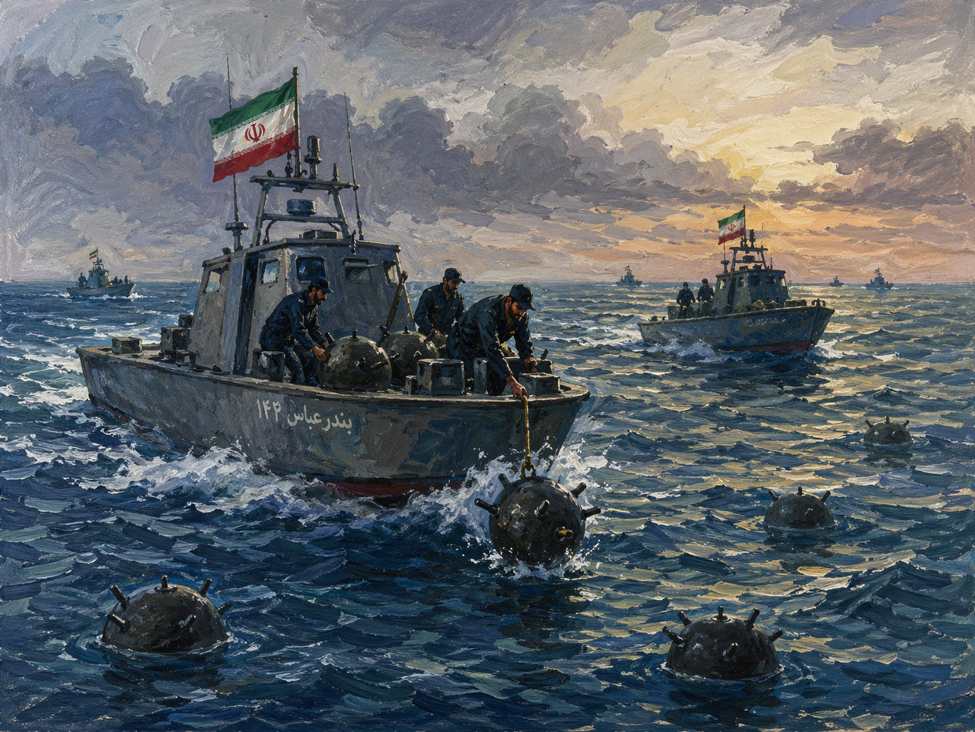
Axios came out with a report saying Iran has deployed more mines in the Strait of Hormuz, citing “a US official and a source familiar with the issue.”
This sheds some light on Trump’s previous post on Truth Social in which he said:
The US Navy has been ordered to shoot and kill any boat, no matter how small (all their naval vessels, 159 of them, are on the bottom of the sea!), which means laying mines in the waters of the Strait of Hormuz. There should be no hesitation. In addition, our “minesweepers” are now clearing the strait. I hereby request that this activity continue, but at a tripled level! Thank you for your interest in this issue. President Donald J. Trump
Oil prices rose for the third day in a row, erasing the decline resulting from the “Hormuz is open” message from the Iranian Foreign Minister. This optimism faded as the United States refused to open the strait, and Iran subsequently resumed its blockade.
The chart itself now looks like it is crossing the second shoulder in a head and shoulders pattern. If so, that would ultimately be good news and signal a collapse in oil prices. However, Vitol estimated yesterday that between 600 and 700 million barrels of oil have already been lost in this conflict, and will eventually consume 1 billion barrels due to slow restarts, even if the war ends soon.
West Texas Intermediate crude daily
Even with Iran and the rest of OPEC operating at full speed, it will take a year or two to restore inventories to where they were before the war. However, it is difficult for me to see oil completing this pattern and falling to the $60-65 level.
So the risk is that we go back above $100 as the physical market tightens. Iran does not appear to be backing down at the moment. Today, a New York Times report said that Mojtaba Khamenei is still alive and working, although he likely lost a leg and his face was burned. Knowing this, you have to imagine that he is not in the mood for compromise.
Coupled with the mine report and the rhetoric coming out of Israel, this ceasefire is more vulnerable than the stock markets might think.


